Safe Space delivers a range of groups to people aged 16 years and over who have been sexually abused in childhood. All our groups are free and facilitated in a safe and confidential space.
Please see the upcoming groups section below for information on when the next groups will be taking place.
The Emotional Resources Group is an interactive course designed to improve emotional wellbeing which runs for 14 weeks.
The group offers clients an opportunity to work with a NHS Psychologist and a Safe Space facilitator to explore emotions and look at ways to manage them in a supportive way.
The group aims to explore key concepts behind emotional behaviour and behavioural reactions and identifying resource to help manage emotional reactions.
Group feedback from clients:
“I have learned to feel my feelings. I have felt safe, cared for and loved. No one has ever held space for me before. It made me feel like I mattered and that I was important. I feel less numb and I have a better understanding of why I am the way I am. I feel that I can experience life rather than just existing. I am definitely not the same person I was before I started.”
“I have learned so much about how trauma affects the brain and how it has shaped my reactions to things. The content has given me tools to help myself that I feel I can make use of. I have more confidence in the fact that my feelings are valid and that I am important. Every person should do this if they can!”
Using the resources and tools from attending the Emotional Resources Course, this group is designed to give you support and empower you as you continue on your healing journey.
It is only open to clients who have attended the Emotional Resources Course, and who want to gain greater emotional awareness.
The group will meet once a month for 10 months.
Art therapy uses art as a means of communication and self-expression. It helps you to explore and express thoughts and feelings that may be difficult or confusing to communicate with words using a range of creative media for drawing, painting, colouring, collage and sculpture.
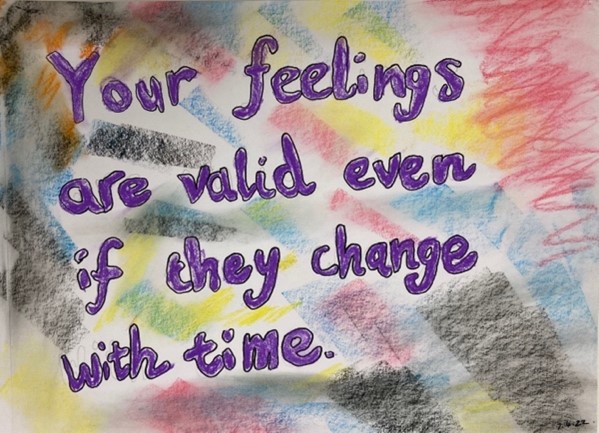
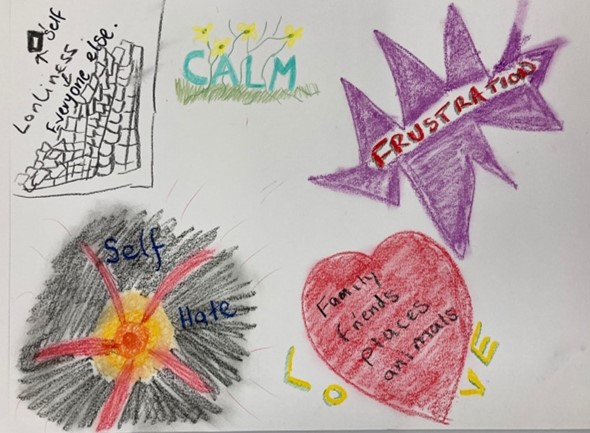
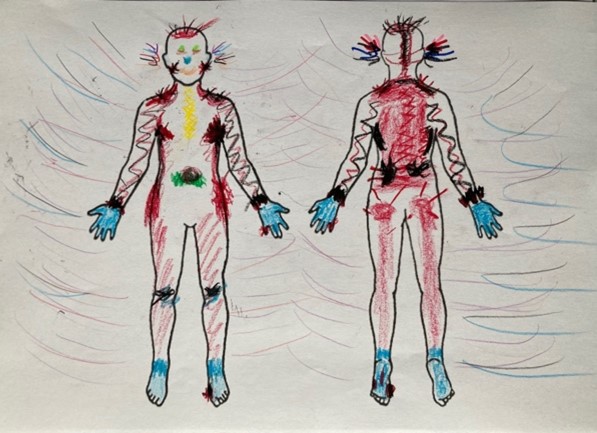
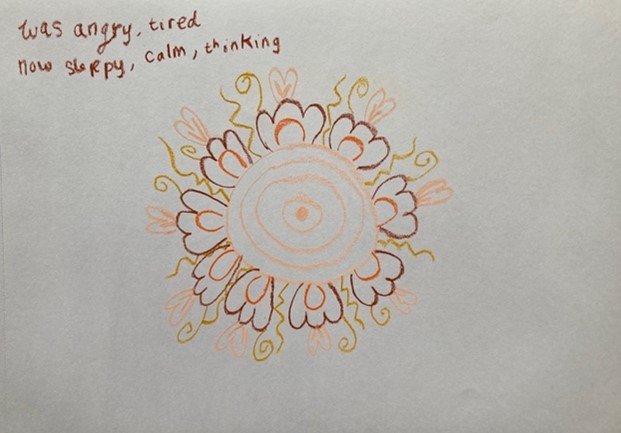
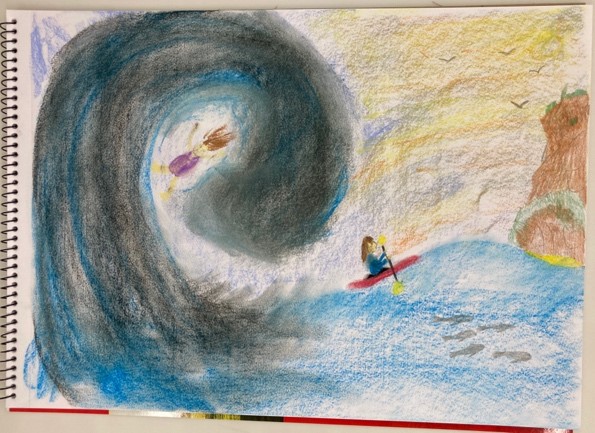
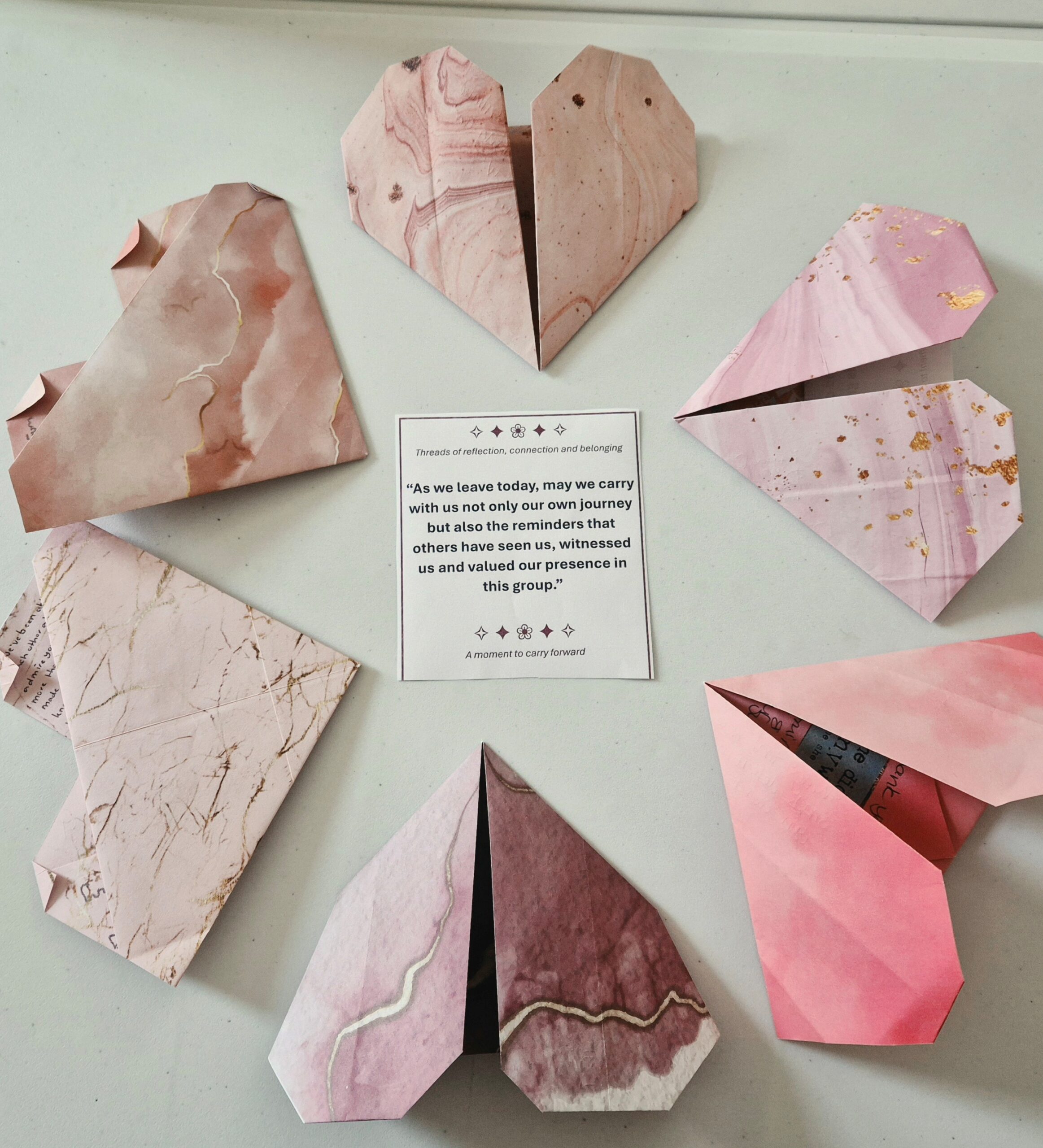
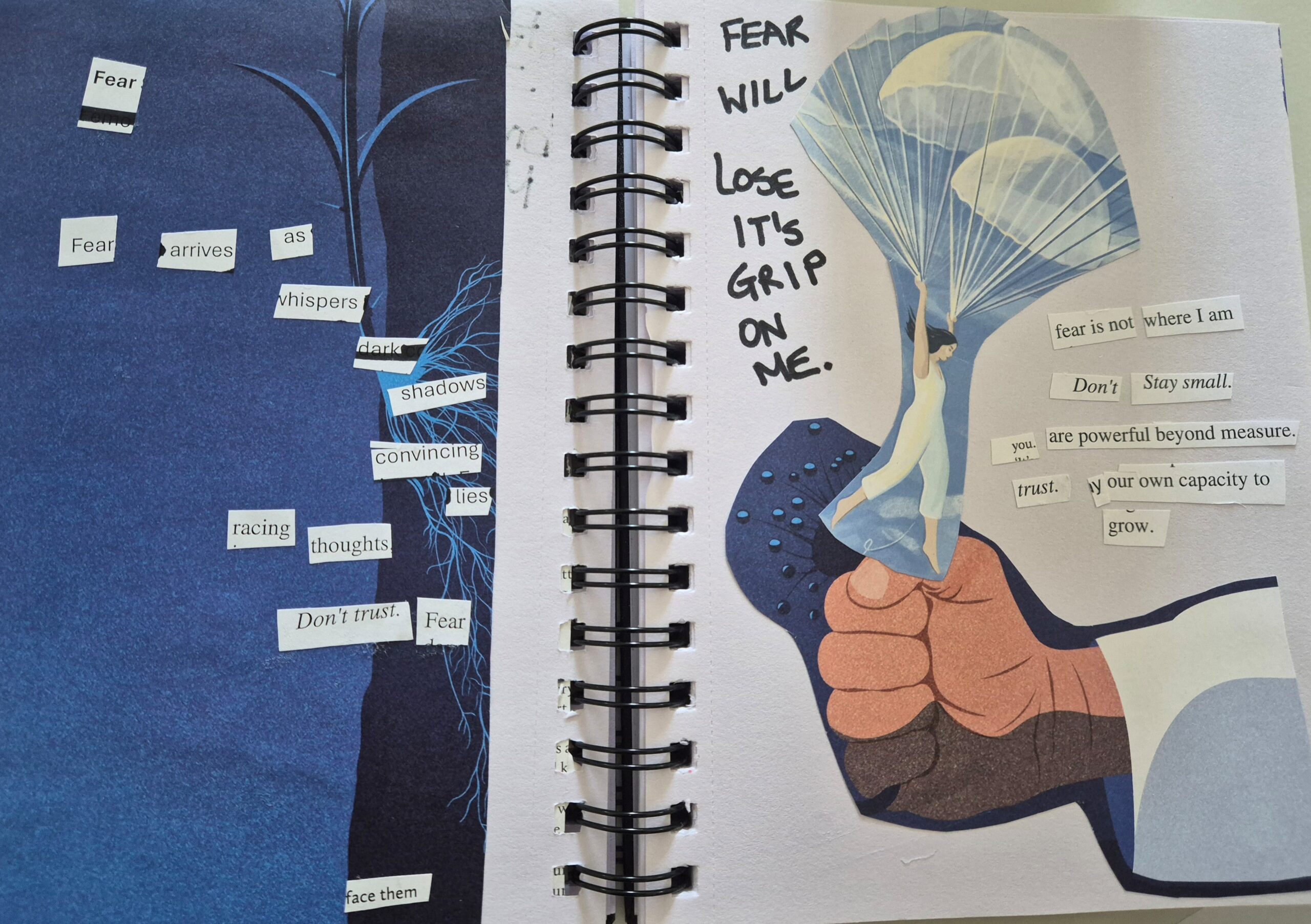
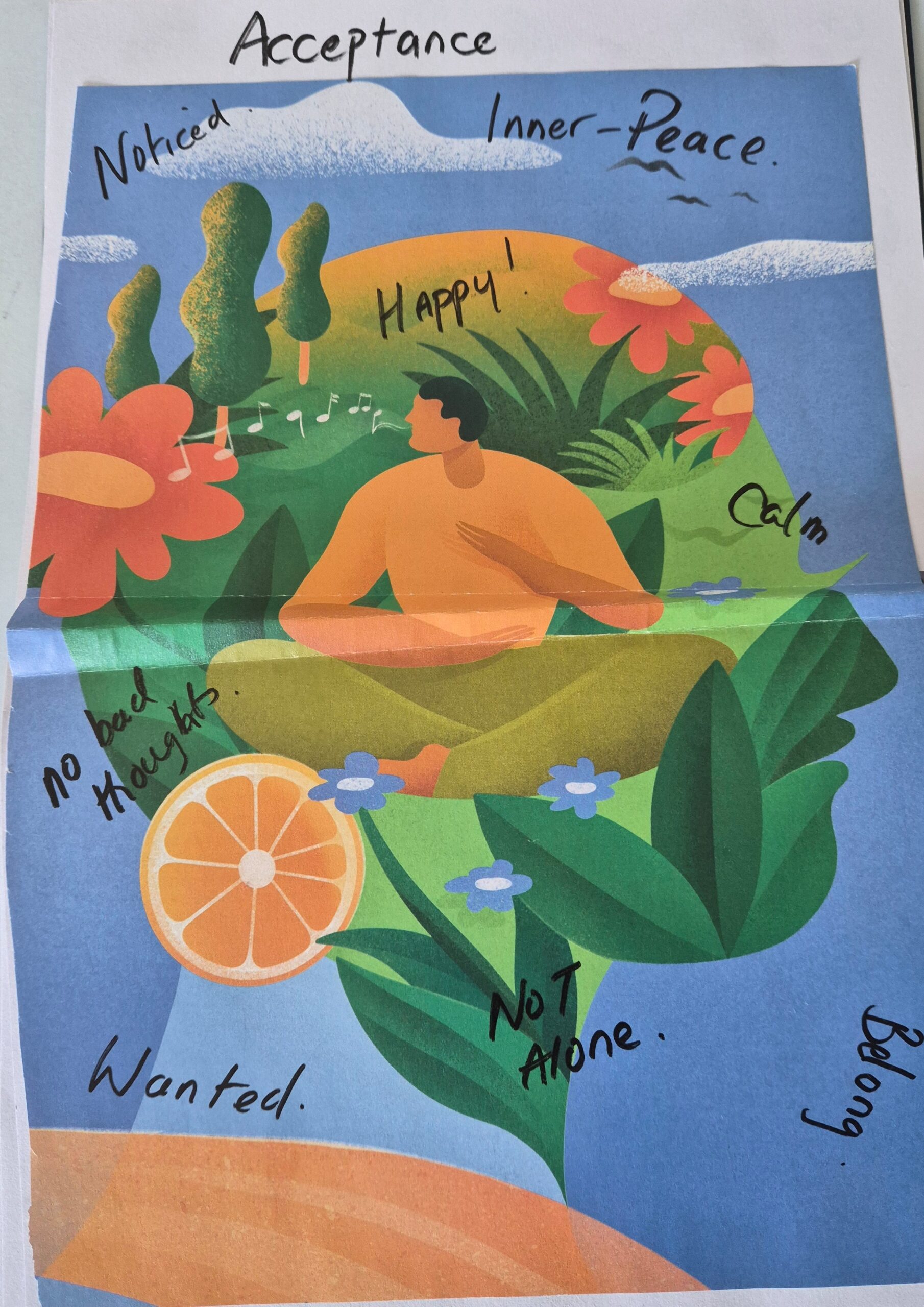
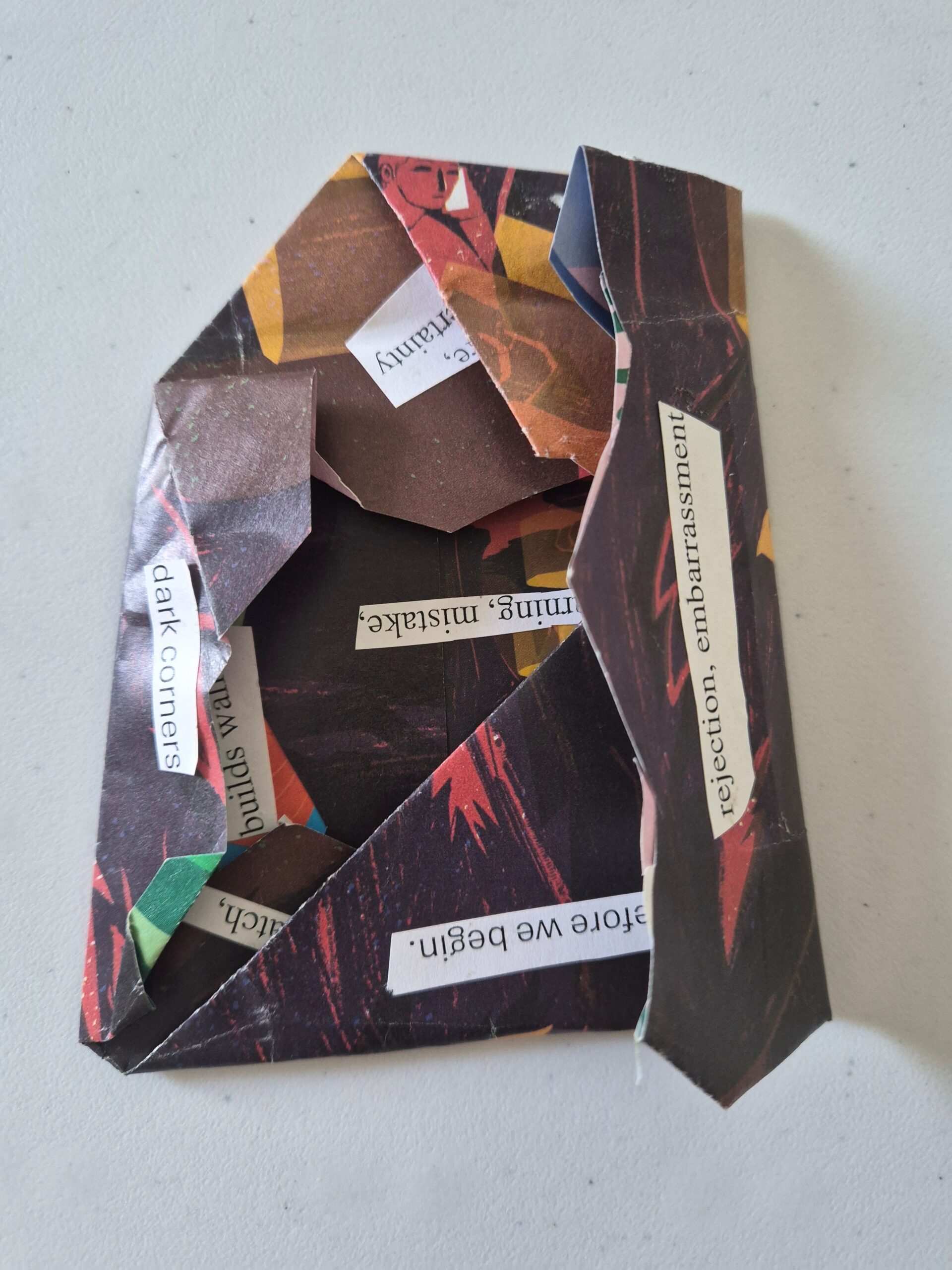
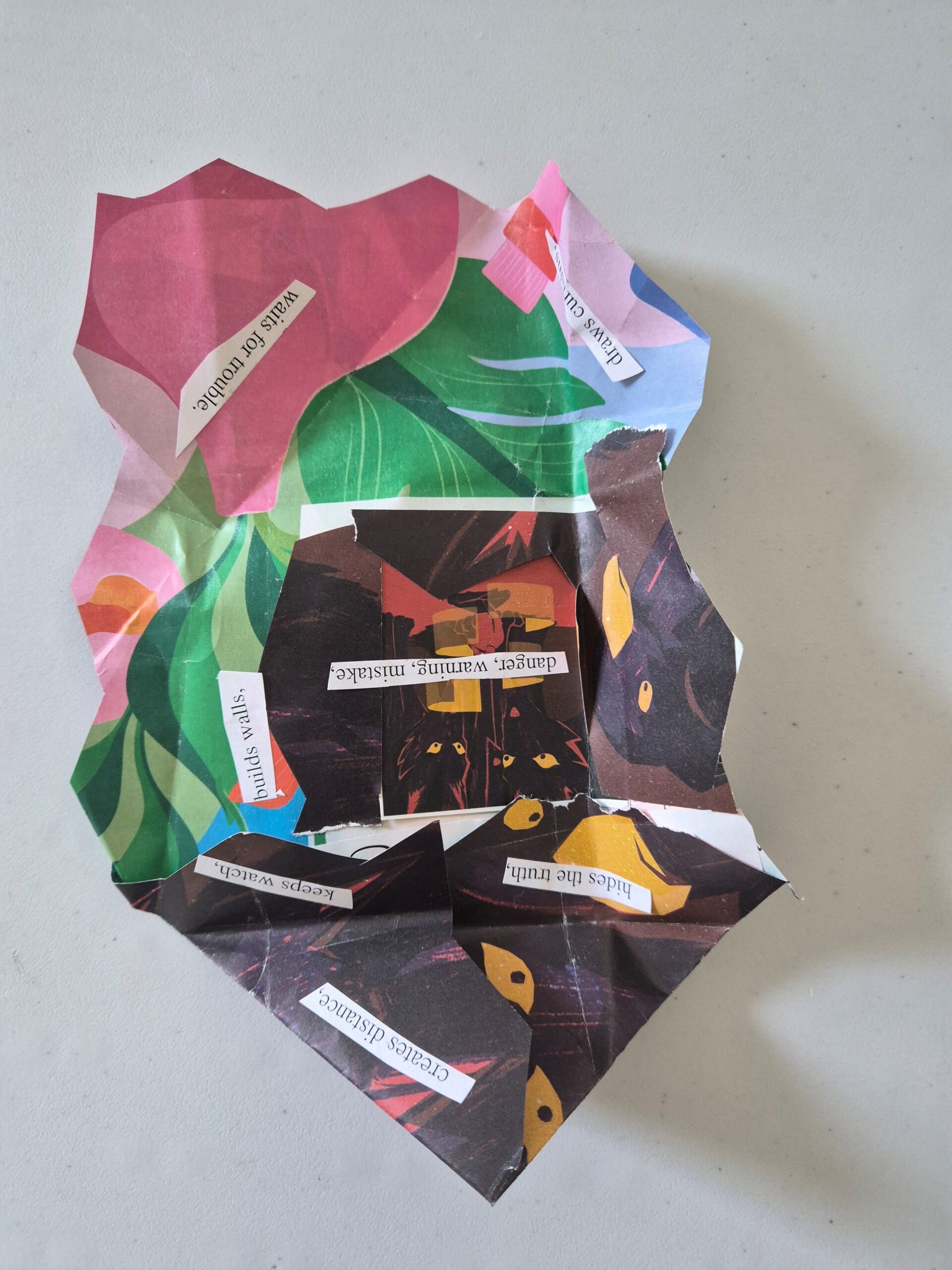
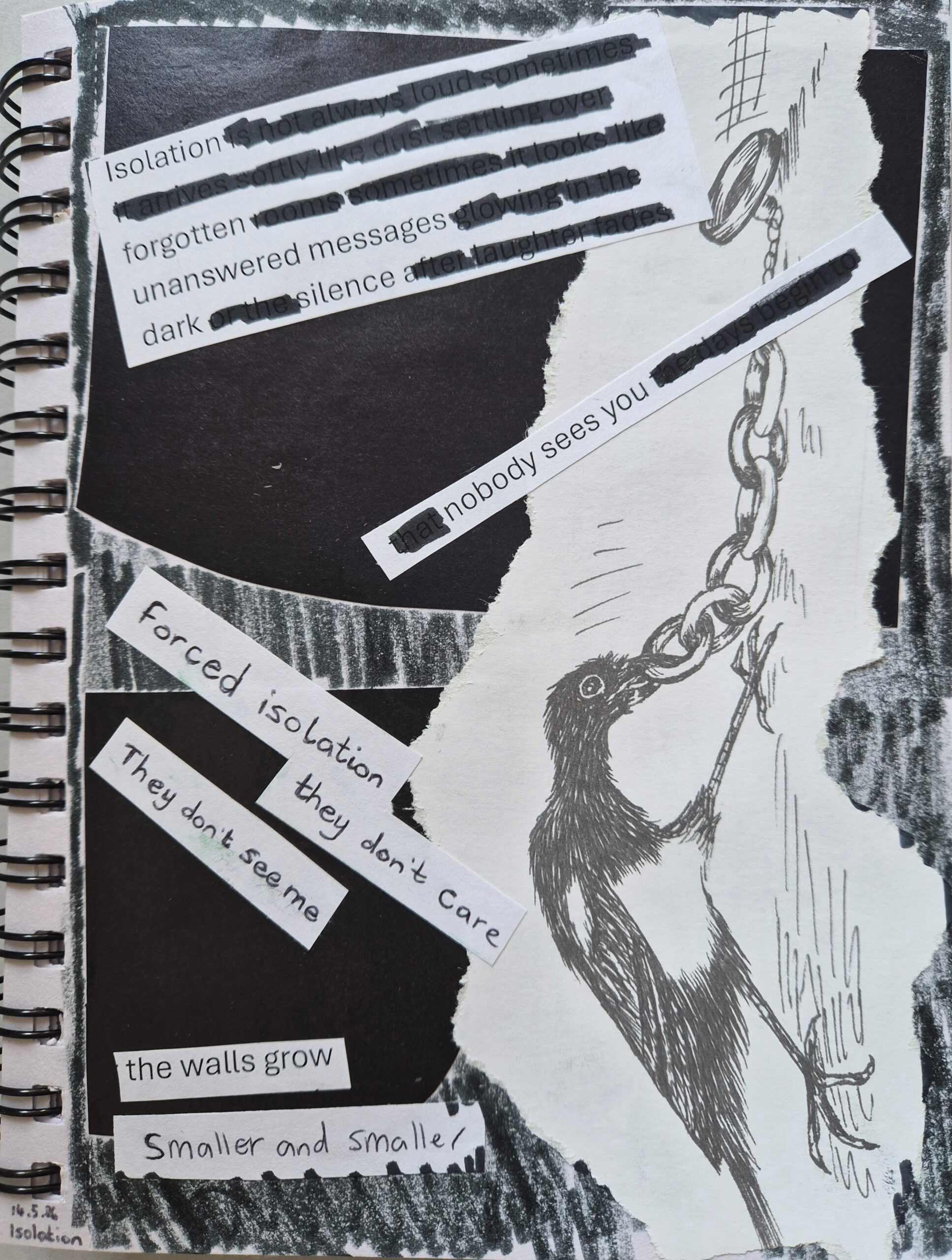
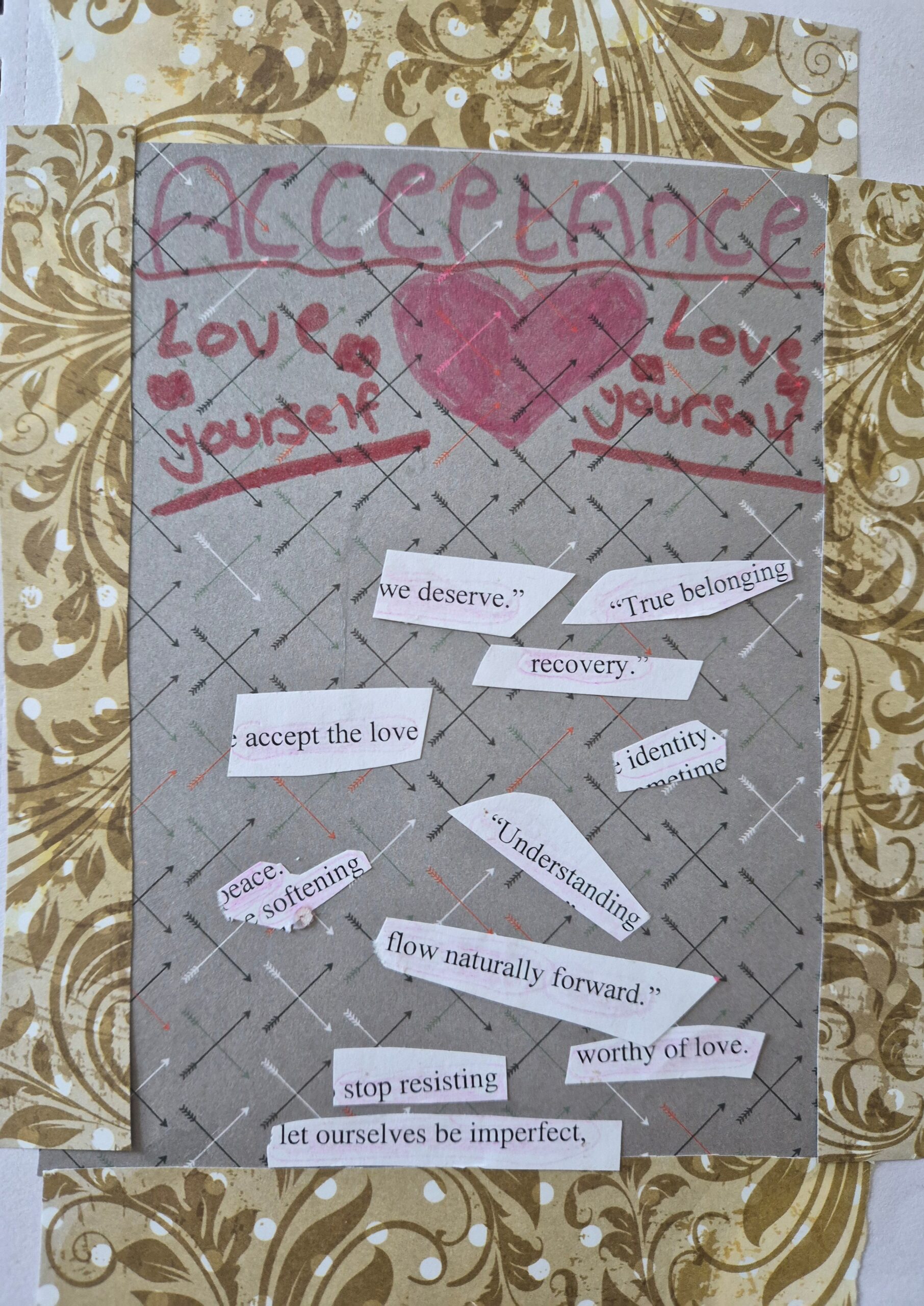
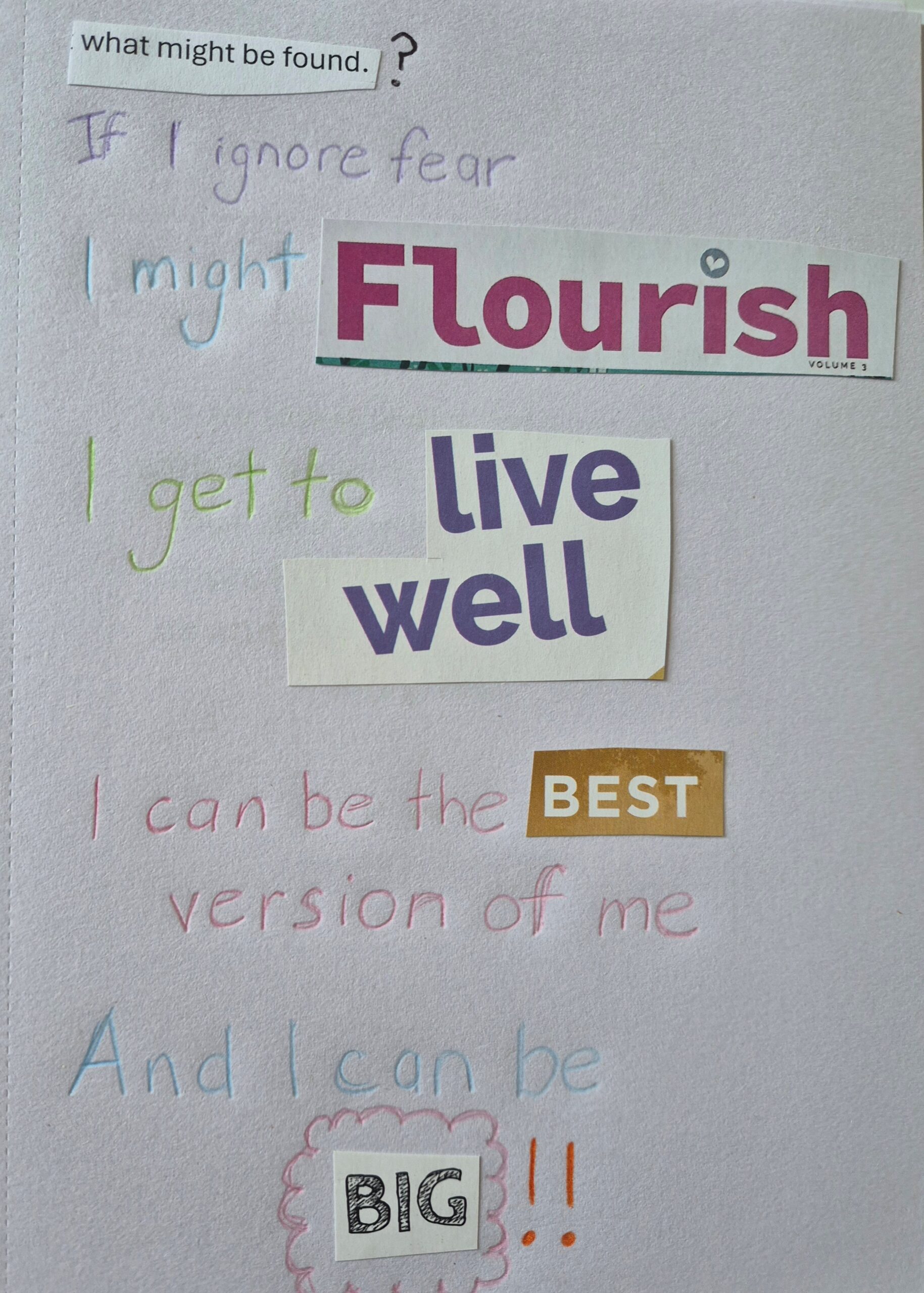
The act of creating art is healing. It engages the whole body, the mind and senses through the art making process and encourages healthy self-expression. You do not need to be good at art to benefit from art therapy. Here is a selection of artwork from previous art therapy groups.
It can help to improve self-esteem, self-awareness, symptoms of anxiety and depression; relieve stress; reduce feelings of isolation; connect with others with similar experiences; help get through difficult times; and make helpful changes.
Six to seven group members will meet two hours a week for eight weeks. This time is for you to explore and express yourself, to help reach a deeper sense of self-awareness.
For more information on art therapy, you can watch our Art Therapy video or visit the British Association of Art Therapists website.
Art journalling is a way of exploring emotions and feelings using a journal or diary. Working mindfully, you can use art materials to process your feelings.
The art journalling group enables you to connect with others with similar experiences and it can help you to release and understand your feelings in a safe and acceptable way.
This mixed group will usually have six to eight members and will meet for two hours a week for eight weeks.
Do you struggle to put your experiences into words?
Do you feel your emotions in your body?
Do you feel disconnected from yourself?
Childhood sexual abuse can disconnect us from our bodies, making it harder to talk about our feelings or experiences.
In this weekly group, we use many ways of moving including dance, yoga, breathwork and creative games to help you get in touch with your emotions and process your experiences.
Do you suffer from chronic pain or long-term health conditions?
This new group focuses specifically on physical symptoms, including pain, fatigue, dizziness, stomach problems, and other medically unexplained symptoms.
Using mindfulness and creativity we will explore ways to manage our symptoms. Exercises may include gentle movement, body scans, somatic exercises, drawing and journalling.
As a parent or guardian who has been left devastated by the disclosure that your child has been sexually abused, you might not have thought of having support for yourself.
Safe Space have a 10-week course for parents and guardians to help them understand the effects of abuse on their children as well as themselves.
Here are some other organisations which offer resources and may be able to offer support:
Group feedback from parents and guardians:
“It has been very informative, and I feel I understand more now about the impact it is having on my whole family.”
“There is no other place I can go and talk freely about how I’m feeling and not be judged.”
“I didn’t realise how much I bottled up my feelings about what happened to my child till I came here.”
“I know now that I will only be of help to my child when she is ready to talk if I am ready to listen, but I have to listen to myself first.”
Register interest
Workshop: Tuesday 25th August 2026
10am-12pm
Next group starting Tuesday 15th September 2026 for 14 weeks, 10am-12pm
Register interest
Group starting Monday 26th October 2026 for 8 weeks, 10.30am-12.30pm
Register interest
Next group details to be confirmed
Register interest
Workshop: Monday 6th July 2026
1.30pm-3pm
Group starting Monday 3rd August 2026 for 8 weeks, 1.30pm-3pm
Register interest
Next group details to be confirmed
Register interest
Next group details to be confirmed
You can attend as many of the groups as you like and can refer yourself for an appointment to find out more.
Alternatively, you can ask someone to get in touch to find out more for you.
Please note that participation in our groups is for survivors only, with the exception of the Parents and Guardians Support group; you may not bring anyone with you to the group sessions.
If you are interested in any of our groups, would like some more information, or the group you are interested in joining is currently full, please complete this form with your details and we will be in touch.
We believe firmly in your right to privacy when you discuss your concerns here, whether this is in 1-1 counselling or in a group. Your records are stored anonymously and will be made available for you to see if you wish, in line with our Open Access policy. Records will be kept for seven years after your final session.
Our Confidentiality Policy has four clear legal exceptions: terrorism, drug money laundering, risks to the safety of children, and road traffic offences. Any information that you give us which relates to these activities must be passed on to other agencies. Nothing else can be discussed with anyone outside Safe Space, whether they are a family member, a GP, a teacher, or someone else that knows you unless you sign a form here which gives us your permission for this.
As a specialist service, we aim to work to a very high standard. We are members of the British Association for Counselling and Psychotherapy (BACP) and Counselling and Psychotherapy in Scotland (COSCA), who oversee the professional work of the organisation, and all our workers have regular supervision.
If something goes wrong, however, we always want to know. Safe Space workers have in-depth training in professional boundaries and will welcome your feedback. They will also make sure you have a copy of our Complaints Procedure which explains how we try to resolve any problem you might experience here.